
Running with an EMS suit: smart shortcut or unnecessary risk?
Running with an EMS suit: smart shortcut or unnecessary risk?
Have you also seen advertisements for training in a suit with electricity, where you get "3 hours of training in 20 minutes"? Several runners in Denmark have started testing what it's like to run with an EMS suit, and whether it actually makes them stronger or faster in less time.
At the same time, many are unsure. Does it work, what does it cost, and is it even safe for the body when combining running and electricity?
In this article, you will get a calm, down-to-earth overview of what EMS is, how an EMS suit works, what happens when you run with it on, what the advantages and disadvantages are, what a typical course costs in Denmark, and how to start sensibly as a beginner.
The goal is not to sell you anything, but to give you knowledge so you can decide for yourself if EMS running suits your goals and your body.
What is an EMS suit, and how does it work when you run?
An EMS suit is basically a tight-fitting set of clothing with built-in electrodes. The small electrodes send electrical impulses into your muscles as you move.
When you run, your muscles therefore contract both due to your own movement and due to the impulses. It feels a bit like small rhythmic "squeezes" or vibrations that come again and again in short intervals.
During classic EMS training, you often stand in a studio and do strength exercises for 20 minutes with a trainer. Several Danish facilities use EMS for both strength and cardio. When you run with EMS, you take the same idea to the treadmill or the trail.
Where traditional EMS typically involves static or calm movements, running adds more pulse and impact. This makes the experience different, and you may feel far more drained afterwards, even if the run itself isn't that long.
Briefly explained: What is EMS?
EMS stands for "electronic muscle stimulation". You can see it as small electrical signals that help your nerves get your muscles to work extra hard.
Normally, the signal only comes from the brain. With an EMS suit, the muscles get an extra "kick in the pants", so more muscle fibers work at once. This means that the training can feel harder, even if you don't necessarily run faster or longer.
What it feels like to run with an EMS suit for the first time
Most describe the first run as quite special. When the impulses run, you notice:
- a tingling or buzzing in the skin
- small vibrations or twitches in the muscles
- faster soreness in thighs, glutes, and core
On the other hand, many experience that the joints, such as knees and hips, do not feel heavier than on a normal run, because the load is often lower, while the impulses are working.
Some find it a bit uncomfortable or intimidating at first. It can feel like running in a very tight wetsuit that suddenly "pulsates" from within. Fortunately, the intensity can be turned up and down, and the first time typically takes place with an instructor who stands by and controls the strength of the impulses.
Benefits of running with an EMS suit
Many runners hope that EMS can provide:
- stronger muscles in less time
- less stress on joints
- better fat burning
- shorter, but more effective training sessions
Research on whole-body EMS shows that the method can increase muscle strength and improve sprint, jump, and some forms of fitness. Compared to regular training, however, the results appear mixed, especially in healthy and active individuals. The effect is often good, but not significantly better than normal strength and running.
More muscle work in less time
One of the most honest selling points is that EMS can provide a lot of muscle work in a short time. A classic EMS session lasts about 20 minutes.
The impulses can activate more muscle fibers than you typically engage yourself. This is especially true around the core and back, where many otherwise struggle to "hit" the muscles. Research from 2025 suggests that EMS can increase strength and muscle mass and, in some cases, reduce body fat percentage when combined with resistance training.
For busy people, this can be attractive. But you still get tired, and the body still needs to recover. Looking at studies, high intensity in a short time only yields results if you also take breaks and get enough sleep. The same is seen in other forms of hard, short training, as described in a study from the University of Copenhagen on "shorter training time and higher intensity”.
Less joint strain and good for rehabilitation
Many choose EMS because they want to protect their knees, hips, or back from heavy strength training. The electrical impulses provide resistance without you having to stack 80 kilos on a bar.
For people in rehabilitation, this can be an advantage, especially if they have difficulty doing regular exercises. EMS is already used in physiotherapy to keep weakened muscles active.
However, if you are injured, you should not just jump into a suit and start running. In this case, it makes much more sense to start with a physiotherapist or a trainer who has experience with both running and EMS. Running plus electricity is a strong stimulus, and it can be too intense if you are already struggling with knee or Achilles tendon issues.
Weight loss and fitness: How much does EMS help when you run?
EMS can increase overall calorie expenditure, especially if you combine the impulses with running, where your heart rate increases anyway. Some studies show a significant reduction in body fat percentage, others show more modest changes.
It's important to remember: EMS does not replace a healthy diet or regular runs. If you view EMS as a supplement to your normal program, it can be a good extra tool. If you see it as a shortcut where you can skip everyday movement, you will likely be disappointed.
Results vary greatly from person to person. Two people can complete the same course and experience completely different progress in both fitness and weight.
Risks, price, and practical advice for starting to run in an EMS suit
Before you dive into EMS running, it's worth knowing the risks, prices, and some very practical advice.
Who should not run with an EMS suit?
There are clear contraindications for EMS. According to, among others, the manufacturer iMotion, who details them in the article on contraindications of electrostimulation, EMS is typically discouraged for people with:
- pacemakers or other implanted electronic aids
- known heart conditions
- pregnancy
- epilepsy
- acute infections or fever
- open wounds, severe skin irritation, or certain skin diseases in the areas where the electrodes are placed
If you have a chronic illness or are unsure, talk to your doctor first. The point is not to scare you, but to respect that electricity in the body is something to be taken seriously. There are also a few reports of very intense EMS training causing severe muscle damage (rhabdomyolysis), especially in beginners who started too hard.
Good advice for your first run with an EMS suit
If you decide to try running with an EMS suit, do it wisely and calmly:
- Start with low intensity in the impulses, even if you are used to training hard.
- Keep your first run short, for example, 10 to 15 minutes of light jogging or walking/running.
- Warm up slowly without electricity, and only turn on the system once your body is moving.
- Finish with light stretching and a gentle cool-down.
- Drink water both before and after; EMS can make you sweat more than you think.
- Take at least a couple of days' break between intense EMS sessions at the beginning.
An instructor or trainer can help you adjust the suit correctly so that the impulses hit where they should, without being uncomfortable.
Use EMS as a supplement to your normal training, not as a replacement. Continue with regular runs, bodyweight strength exercises, and calm recovery.
Conclusion
EMS suits work with electronic muscle stimulation, causing muscles to contract extra while you move. For runners, this can mean more muscle work in less time, potential improvement in strength and fat burning, and a feeling of very effective training.
At the same time, research shows that EMS is not clearly better than regular training for healthy, active individuals, and there are both risks and clear groups who should not use EMS. Prices are relatively high, and the body still needs classic running training, strength, and rest.
If you see EMS as an additional tool, not a shortcut, it can be exciting to try. Consider your own goals, such as strength, weight, injury history, and time in everyday life. Feel free to take a trial lesson with professional guidance before buying expensive equipment, and feel if it's right for you and your body.

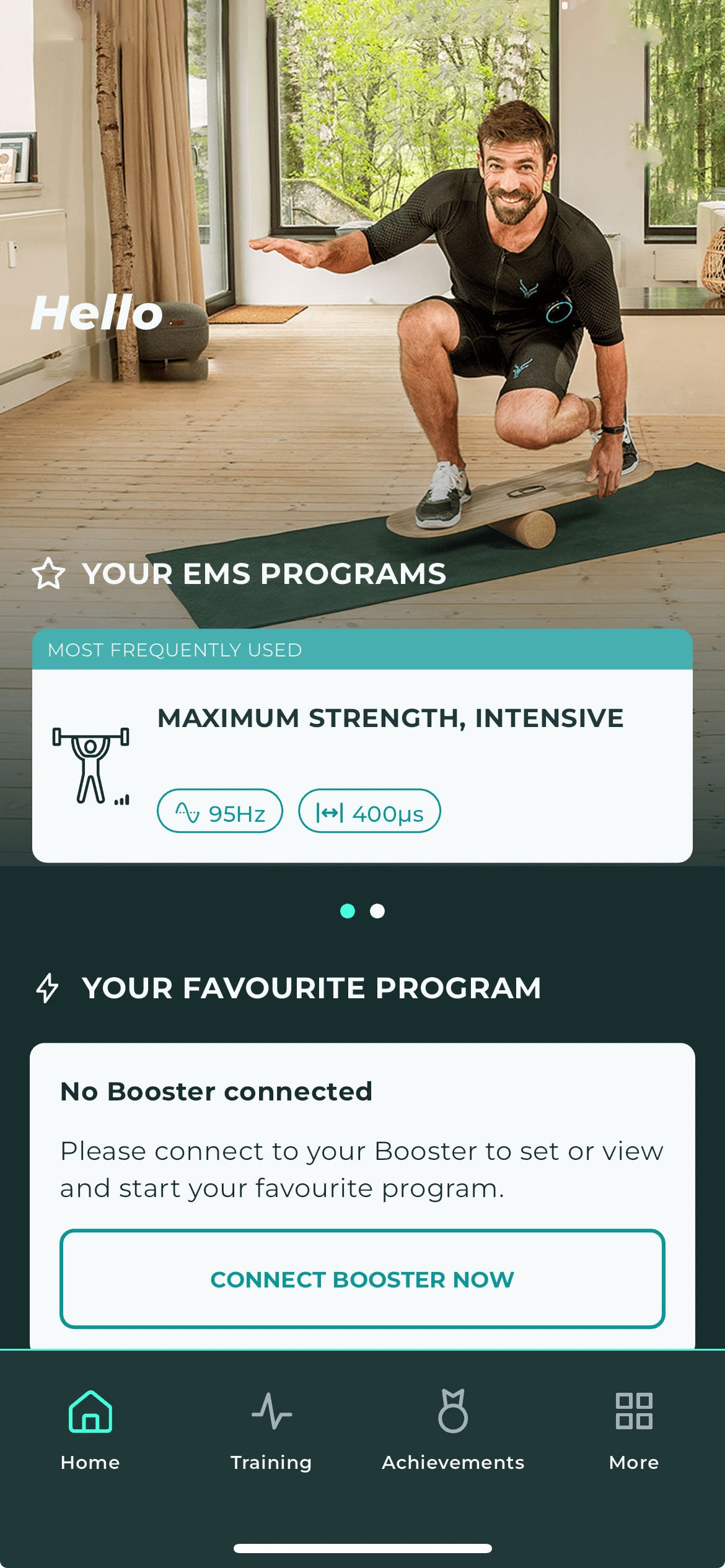
Antelope Go!
Stay Ahead of the Game with Antelope Evolution
Forget about traditional training methods. The Antelope Evolution suit and Antelope Go combine cutting-edge technology with groundbreaking science to give you a training experience that is in a class of its own. Take control of your training, achieve results faster, and live your best life with Antelope Evolution.
Experience Superior Performance with the Antelope Evolution Suit.
Whether you strive to reach new heights in your training or recover from injuries, the Antelope Evolution suit is your ultimate partner on the path to success. Designed to offer exceptional support and optimization, whether you are young or old, an elite athlete or a beginner.
Unlock Your Full Potential with Antelope Go
Antelope Go is your key to customized training, perfectly adapted to your individual goals and intentions. Whether you want to lose fat, regenerate your body, or prevent injuries, Antelope Go gives you the necessary tools to achieve your ambitions and train with precision.
Discover the power of Antelope Evolution today and take the next step towards a stronger, healthier, and more successful you
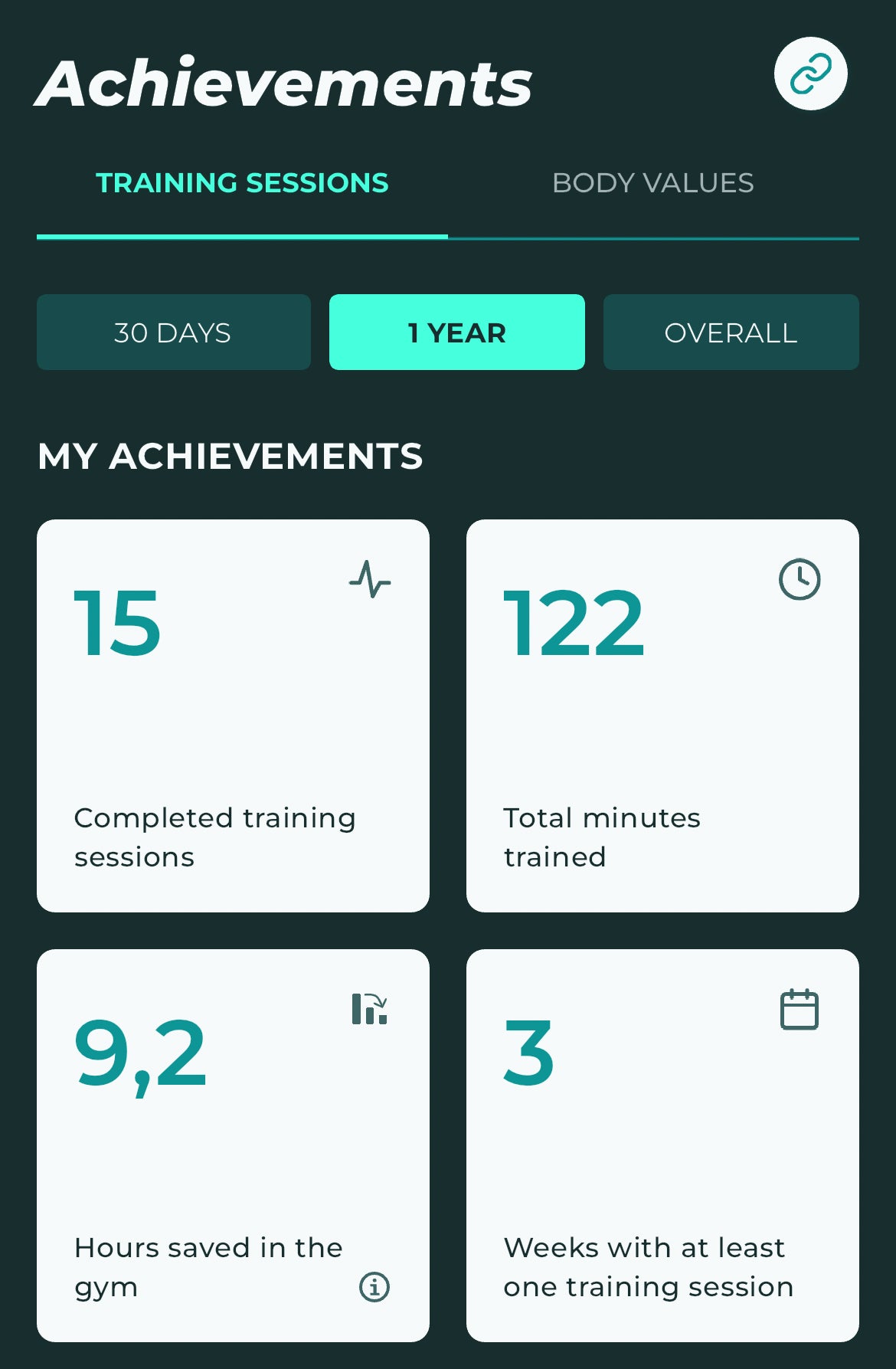
Antelope Go includes:
- Track record of your goals
- Training programs
- Profile and equipment setup
Depending on the choice of specific training programs and your preferences for the day's workout, the app will be pre-set with intervals, pulse speed/stimulations, elevation speeds, etc. If you desire higher stimulations or further targeting of specific muscle groups, simply click on the relevant area and adjust the percentage up or down.
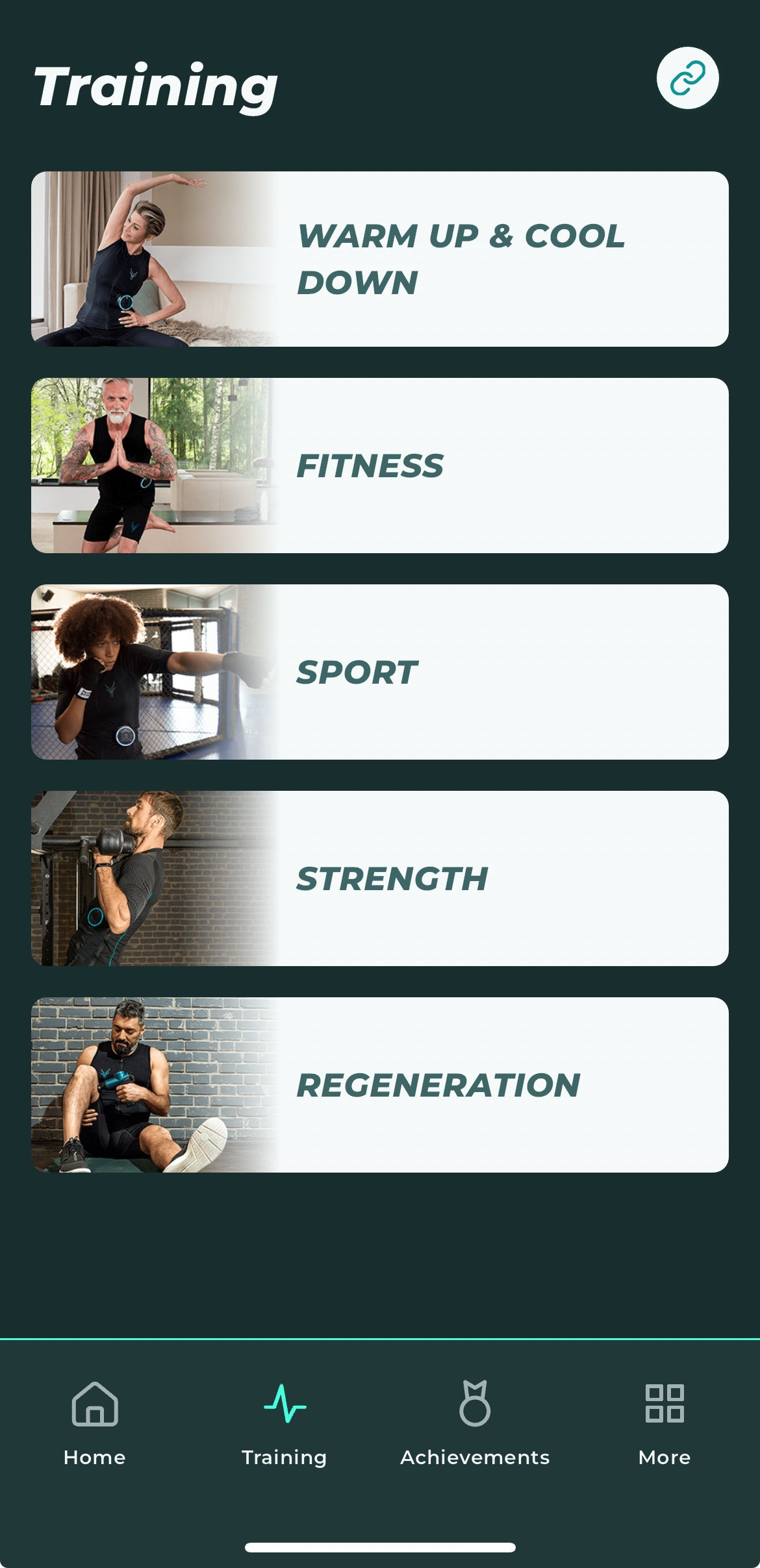
The training programs include
- Warm-up and cool-down
- Fitness (Strength, Fitness, Fat burning and Cardio training)
- Sports (Running, cycling, Boxing, Skiing, Golf, Tennis, CrossFit)
- Strength (maximum strength for beginners, fundamental training, intensive training and Power/Dynamic training)
- Regeneration (Basic, intensive, and dynamic with countdown)
Find the Antelope Go! app here
Find the Antelope GO! app here

